Most Popular Shel Silverstein Songs
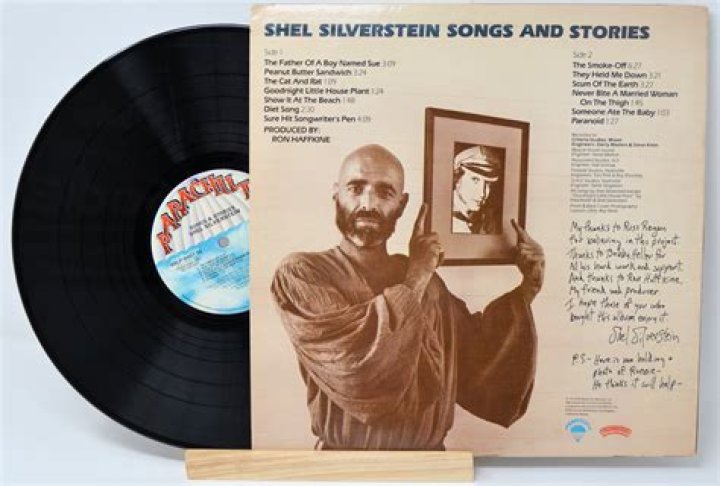
Introduction to Shel Silverstein
Shel Silverstein, a multi-talented artist, was much more than just a songwriter. Born in 1930, he lived a remarkable life as a poet, singer, songwriter, and a cartoonist. Silverstein gained widespread recognition for his unique approach to children’s literature. His books, such as “The Giving Tree” and “Where the Sidewalk Ends,” remain perennial favorites even today.
Table of Contents
Silverstein’s musical talent was equally impressive. He was not only a skilled guitarist but also possessed a captivating voice that effortlessly delivered his profound and often humorous lyrics. With his signature whimsical style, he conquered the hearts of audiences of all ages. His songs are timeless treasures that continue to resonate with listeners, touching on themes of love, loss, and the intricacies of human nature.
The Top 10 Most Popular Shel Silverstein Songs
1.
“A Boy Named Sue”
Shel Silverstein’s most famous song, “A Boy Named Sue,” became an instant hit after Johnny Cash released it in 1969. With witty lyrics depicting an unconventional story of a boy seeking revenge on his absent father, the song not only showcased Silverstein’s songwriting brilliance but also Cash’s incredible talent in bringing the character to life.
2.
“The Unicorn”
“The Unicorn” is a whimsical and enchanting song that takes listeners on a magical journey. Released by The Irish Rovers in 1967, this lively tune captures Silverstein’s playful imagination. Its catchy melody and lyrical storytelling have made it a perennial favorite among both children and adults.
3.
“Sylvia’s Mother”
In 1972, Dr. Hook & the Medicine Show catapulted to fame with their rendition of “Sylvia’s Mother.” This heart-wrenching ballad, written by Silverstein, tells the story of a man desperately trying to reconnect with his lost love, Sylvia. Its relatable theme and emotional delivery struck a chord with listeners worldwide.
4.
“Cover of the Rolling Stone”
With its rock and roll vibe and humorous lyrics, “Cover of the Rolling Stone” became a signature song for Dr. Hook & the Medicine Show. Released in 1972, the song poked fun at the desire for fame and the longing to be featured on the cover of the renowned music magazine.
5.
“The Ballad of Lucy Jordan”
Made famous by Marianne Faithfull in 1979, “The Ballad of Lucy Jordan” tells the melancholic tale of a woman yearning for excitement and adventure. Silverstein’s lyrics provide a hauntingly beautiful depiction of the protagonist’s unfulfilled desires and shattered dreams.
6.
“A Light in the Attic”
Originating from the album of the same name, “A Light in the Attic” resonates with listeners through its relatable lyrics and catchy melody. Silverstein’s ability to blend whimsy and depth shines in this song, captivating the hearts of those who appreciate his poetic prowess.
7.
“I’m Checking Out”
Featured in the critically acclaimed movie “Postcards from the Edge” (1990), “I’m Checking Out” showcases Silverstein’s poignant songwriting skills. Sung by Meryl Streep, this emotionally charged song explores themes of introspection and acceptance, leaving a lasting impact on listeners.
8.
“The Great Conch Train Robbery”
“The Great Conch Train Robbery” offers a glimpse into Silverstein’s talent for storytelling through music. Released in 1978, this delightful and lighthearted song tells the amusing tale of a train heist in the Florida Keys, complete with Silverstein’s unique brand of lyrical charm.
9.
“Queen of the Silver Dollar”
Featured on Dr. Hook & the Medicine Show’s album “Belly Up!” (1973), “Queen of the Silver Dollar” presents a lively and colorful character brought to life through Silverstein’s vivid lyrics. This song serves as a testament to his ability to create vibrant narratives within the confines of a song.
10.
“Father of a Boy Named Sue”
A humorous response to his own iconic song, “Father of a Boy Named Sue” showcases Silverstein’s wit and playfulness. Released in 1978, this song flips the perspective, narrating the father’s side of the story, and offers a hilarious and entertaining twist to the original tale.
Frequently Asked Questions about Shel Silverstein Songs
1. Are Shel Silverstein’s songs suitable for all age groups?
Yes, the beauty of Silverstein’s music lies in its ability to resonate with audiences of all ages. His songs often possess both a playful and profound nature, appealing to both children and adults.
2. How did Shel Silverstein’s background as a cartoonist influence his songwriting?
Silverstein’s background as a cartoonist undoubtedly influenced his songwriting by giving him a unique perspective on storytelling. He had a knack for using vivid imagery and clever wordplay, which became prominent features in his songs.
3. Did Shel Silverstein perform his own songs?
Yes, Shel Silverstein was not only an exceptional songwriter but also a talented performer. With his charming voice and skilled guitar playing, he brought his songs to life, captivating audiences with his heartfelt and engaging performances.
4. What was Shel Silverstein’s most successful song?
Shel Silverstein’s most successful song, both critically and commercially, is arguably “A Boy Named Sue.” This iconic song, made famous by Johnny Cash, remains a timeless classic that continues to be loved by generations.
5. Are there any rare or lesser-known Shel Silverstein songs worth exploring?
Certainly! Alongside his well-known hits, Silverstein left behind a treasure trove of lesser-known songs that deserve attention. Songs like “I Got Stoned and I Missed It” and “The Smoke-Off” are prime examples of his humorous and satirical style.
6. How did Shel Silverstein’s songs impact the music industry?
Silverstein’s songs had a significant impact on the music industry. His ability to blend humor, storytelling, and emotional depth in his lyrics influenced countless musicians and songwriters, leaving a lasting impression on the industry as a whole.
7. Are there any films that feature Shel Silverstein’s music?
Yes, Shel Silverstein’s music has been featured in several films. Examples include “Postcards from the Edge” (1990), which includes the song “I’m Checking Out,” and “Boy Named Sue” (2001), a documentary about the iconic song itself.
8. How did Shel Silverstein’s songs contribute to his overall legacy?
Shel Silverstein’s songs played a vital role in establishing his remarkable legacy. They showcased his exceptional storytelling abilities, wit, and undeniable talent as a songwriter, ensuring that his impact on the world of music would be remembered for generations to come.