The Meaning Behind The Song: Autumn Leaves by Paul Anka
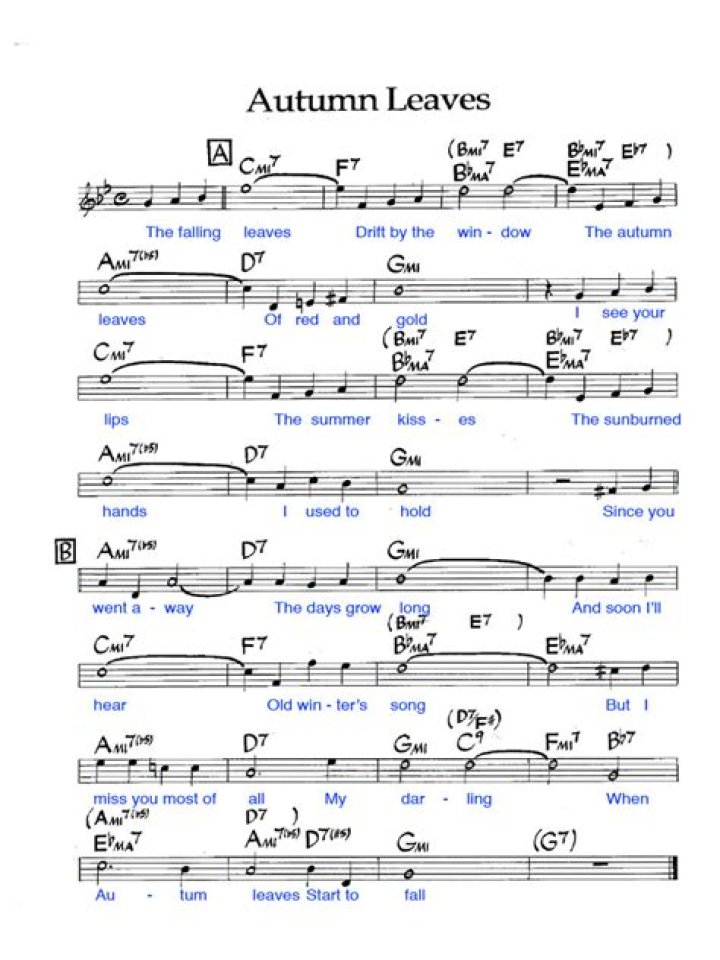
Table of Information
| Title | Artist | Writer/Composer | Album | Release Date | Genre | Duration | Producer |
|---|---|---|---|---|---|---|---|
| Autumn Leaves | Paul Anka | Joseph Kosma, Jacques Prévert, Johnny Mercer | My Heart Sings (1959) | – | Pop | 2:42 | – |
When it comes to timeless classics, “Autumn Leaves” by Paul Anka is definitely a jewel in the crown. This beautiful song, with its melancholic melody and heartfelt lyrics, captures the essence of longing and lost love.
Table of Contents
Released in Anka’s album ‘My Heart Sings’ in 1959, “Autumn Leaves” is a cover of the original French song “Les Feuilles Mortes.” The French song was composed by Joseph Kosma, with lyrics by Jacques Prévert. Later, Johnny Mercer wrote an English adaptation of the song, which was the version Anka used for his rendition.
The lyrics paint a vivid picture of the changing seasons, using autumn leaves as a metaphor for the passing of time and the fading of love. The falling leaves drifting by the window symbolize the transient nature of relationships, as they eventually wither away like leaves falling from trees.
But beyond the surface interpretation of lost love, “Autumn Leaves” holds a profound meaning that resonates with many listeners. It speaks to the universal experience of yearning for someone who is no longer present in our lives. It captures the bittersweet feeling of nostalgia, evoking memories of tender moments once shared.
The line “I see your lips, the summer kisses” conveys a deep sense of longing for the warmth and romance of past days. It is a reminder of the passionate embrace and affectionate moments that have now become distant memories. The mention of “sun-burned hands I used to hold” adds a layer of intimacy and intimacy, reminding us of the physical connection that once existed.
As the song progresses, the lyrics reveal the emptiness and sadness that lingers in the absence of a loved one. The days grow long, and the approaching winter symbolizes a cold and lonely existence without them. Winter’s song represents the inevitable solitude and melancholy that comes with the passing of time.
But amidst the longing and sadness, there is an acknowledgment of the power of memory. Anka sings, “But I miss you most of all, my darling when autumn leaves start to fall.” The song recognizes that even though the relationship has ended, the memories and emotions associated with it remain alive. The changing of seasons becomes a trigger for nostalgia, resurrecting the feelings once shared.
For me, “Autumn Leaves” carries a personal significance. It reminds me of a lost love from my past, someone who I shared unforgettable moments with, but now only exist in memories. The song encapsulates the feelings of longing and nostalgia that still surface when the leaves start to fall.
Listening to Paul Anka’s rendition of “Autumn Leaves” transports me back to a time when the world seemed different. It brings forth a mix of emotions – the joy of reminiscing, the sadness of lost connections, and the beauty of holding onto cherished memories. It is a song that encapsulates the universal experience of love and loss, reminding us that even though seasons change and love fades, the memories we hold dear endure.
So, when you find yourself caught in the grip of autumn’s fleeting beauty, let the haunting melody of “Autumn Leaves” guide you through a journey of introspection. Allow yourself to reflect on the past, cherish the memories, and embrace the transient nature of life and love.
As Paul Anka’s melancholic voice fades with the final notes of “Autumn Leaves,” it is a poignant reminder that beauty lies not only in the blooming of spring or the vibrancy of summer but also in the quiet introspection of autumn.