The Meaning Behind The Song: Esther, Ruth, and Rahab by Flamy Grant
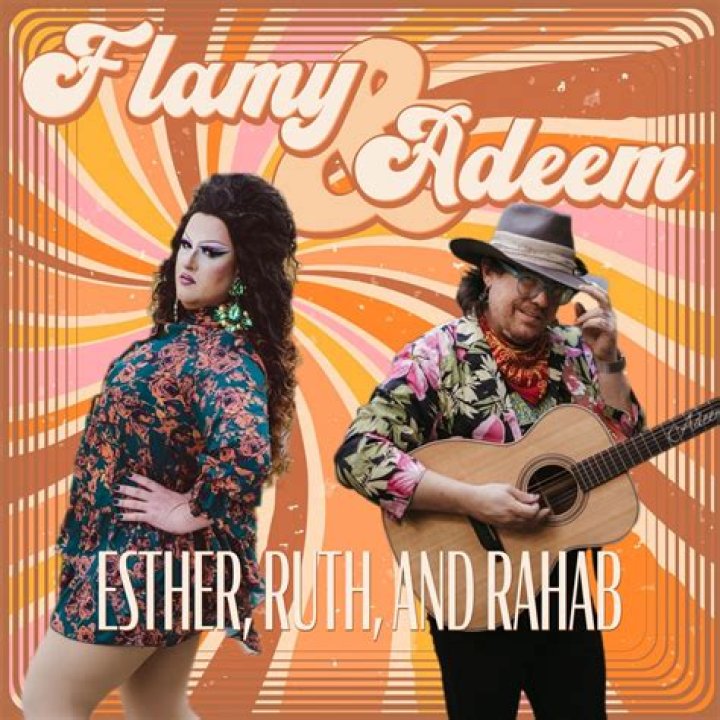
| Title | Artist | Album | Release Date | Genre | Producer |
|---|---|---|---|---|---|
| Esther, Ruth, and Rahab | Flamy Grant | Bible Belt Baby | September 30, 2022 | Pop Christian | Ben Grace |
Flamy Grant’s song “Esther, Ruth, and Rahab” is a powerful anthem that challenges traditional gender roles and celebrates the strength and resilience of biblical women. With thought-provoking lyrics and a catchy melody, Grant shines a light on the often-overlooked stories of these women and their influence in shaping history and faith.
The song opens with a reflection on the church where Grant was raised, describing the women who hid their hair under doilies made of lace. This imagery speaks to the cultural expectations and limitations imposed on women within religious contexts. Grant highlights the silence that these women were expected to maintain, contrasting it with the privilege given to men to lead public prayer.
However, Grant finds solace and inspiration in the stories of Esther, Ruth, and Rahab. These biblical figures are portrayed as “castaways” who defied social norms and outwitted their male counterparts. They are described as immigrants, emphasizing the universal nature of their stories and the ultimate impact they had on the faith.
The chorus of the song emphasizes the importance of finding guidance and inspiration in the lives of others. Grant suggests that we all have a star that lights our way, but we see our paths by someone else’s shine. In this context, Esther, Ruth, and Rahab serve as guiding lights for Grant, representing courage, resilience, and the ability to challenge oppressive systems.
Grant then delves into a series of biblical stories, each highlighting the defiance and strength of women. Deborah, the military leader who brought peace for forty years, is praised for her strategic mind. The Witch of Endor, who saw through King Saul’s deceit, and Eve, who sought wisdom, are portrayed as women who refused to conform to societal expectations.
Jezebel is acknowledged for her fierce resistance against those who sought to control her, regardless of the consequences. Jael is mentioned as a reminder that even those who seem trustworthy can betray us. Moses, often remembered as a great leader, owes his role in history to his sister Miriam, who played a pivotal part in keeping him in line.
The second chorus reiterates the idea of these women as “castaways” who outlasted and outplayed the expectations set upon them. They are described as immigrant ancestors to the incarnate divine, emphasizing their significance in the grand narrative of faith.
Grant acknowledges the tendency in religious circles to primarily highlight the stories of male figures such as Elijah, Abraham, and David. However, she argues that Esther, Ruth, and Rahab are just as significant and deserving of recognition. In fact, they serve as role models for her own journey of self-discovery and empowerment.
It is particularly poignant when Grant mentions buying herself a wig, symbolizing her freedom to express herself and challenge the oppressive standards imposed by her church. The contradiction between the teachings of her church and the stories of powerful women within the Bible becomes increasingly evident.
The final lines of the song emphasize the liberation that comes from embracing the truth that women in the Bible shattered societal norms. Grant firmly asserts that it is a good thing when a girl learns how to fly, drawing strength and inspiration from the stories of these fierce women.
In conclusion, “Esther, Ruth, and Rahab” by Flamy Grant is a compelling song that challenges gender roles and examines the empowering stories of biblical women. Grant’s personal connection to these narratives and her own journey of empowerment add depth and authenticity to the lyrics. This song serves as a reminder of the resilience and strength of women throughout history and their ability to defy societal expectations.