The Meaning Behind The Song: I Can’t Stop Loving You by Ray Charles
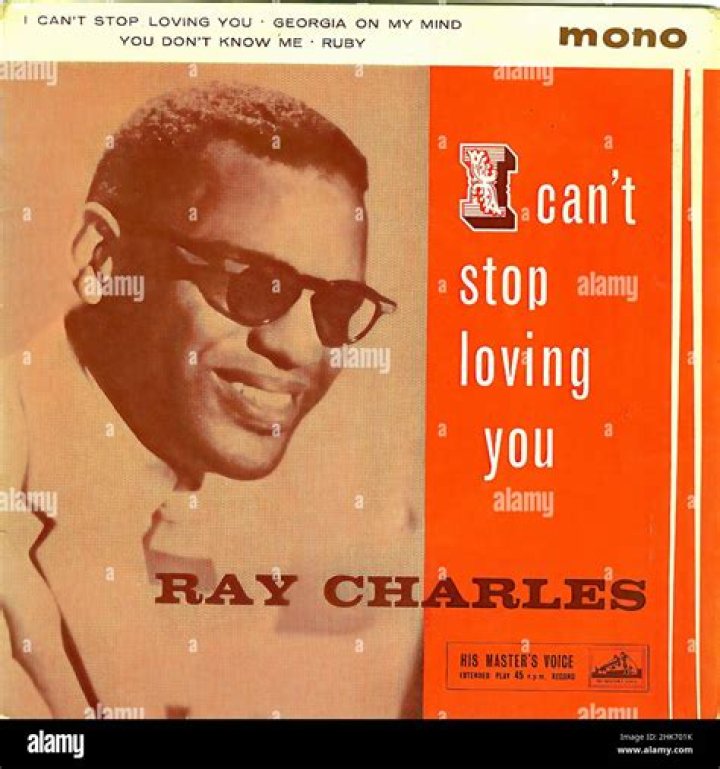
The Enduring Appeal of Ray Charles’ “I Can’t Stop Loving You”: The Song’s Origins and Significance
Ray Charles’ “I Can’t Stop Loving You” has become one of the most beloved and recognizable songs of all time. With its gospel-inspired melody and heartfelt lyrics, it has touched generations of listeners since it was first released in 1962. But what makes this song so special, and what was the story behind its creation? In this article, we’ll explore the meaning behind this timeless classic, the musical influences that shaped it, and why it continues to resonate with audiences today.
Table of Contents
The Origins of “I Can’t Stop Loving You”
The story of “I Can’t Stop Loving You” begins with songwriter Don Gibson, a country and western singer who wrote the original version of the song in 1957. Gibson’s version was a slow, mournful ballad that spoke of a deep and painful love that could never truly be extinguished. It was a hit in the country music world, but eventually caught the attention of Ray Charles, who was looking to branch out beyond his R&B and blues roots.
Charles was already a major force in the music industry by the time he recorded “I Can’t Stop Loving You”. His innovative fusion of gospel, blues, and jazz had already earned him hits like “What’d I Say” and “Georgia On My Mind”. But he saw something in Gibson’s song that he could make his own. He was drawn to its melancholy melody, and the universal emotions it conveyed.
The Musical Influences Behind the Song
Charles’ version of “I Can’t Stop Loving You” was a departure from his usual style, but it still reflected his unique musical ethos. He infused Gibson’s ballad with gospel-tinged piano flourishes, a jazzy horn section, and a soaring backup chorus. The result was a beautiful blend of genres that showcased Charles’ unparalleled talent as a musician and arranger.
But the influences that shaped “I Can’t Stop Loving You” extended beyond Charles’ own musical legacy. Gibson’s original song, with its roots in Nashville’s country music scene, drew on a rich tradition of storytelling and emotional honesty. Charles’ version, with its soulful inflections and gospel-flavored instrumentation, drew on a different tradition—the black church.
The gospel influence on “I Can’t Stop Loving You” is especially notable in Charles’ use of call-and-response vocals. This technique, in which a leader calls out a lyric and the backup singers respond, is a hallmark of gospel music. By incorporating this style into his version of the song, Charles was paying homage to his roots in the church, and infusing his music with a transcendent quality that would make it unforgettable.
The Meaning Behind the Song
The emotional resonance of “I Can’t Stop Loving You” lies in its universal theme of love and loss. The song is an exploration of the human heart, and the pain that comes when we try, and fail, to move on from past loves. Charles’ deep, soulful voice conveys the rawness of this emotion, while the soaring chorus and jazzy instrumentation give the song an uplifting quality.
But “I Can’t Stop Loving You” is more than just a breakup ballad. It’s also a celebration of the enduring power of love. Charles’ version of the song is a hymn to the beauty and pain of being alive, and to the importance of cherishing the people we love. Its message is both melancholy and uplifting, a testament to the complexity of human emotion.
The Legacy of “I Can’t Stop Loving You”
In the decades since its release, “I Can’t Stop Loving You” has become an enduring classic. It’s been covered by countless artists, from Elvis Presley to Van Morrison, and it’s been featured in movies, TV shows, and commercials. But its greatest legacy is the way it’s touched the hearts of millions of listeners around the world.
What is it about “I Can’t Stop Loving You” that makes it so enduring? Perhaps it’s the universality of its theme, or the beauty of its melody. Perhaps it’s the way it blends different musical genres, or the raw emotion it conveys. Whatever the reason, one thing is clear: Ray Charles’ “I Can’t Stop Loving You” will continue to touch the hearts of listeners for generations to come.