The Meaning Behind The Song: Sixty Minute Man by Billy Ward & the Dominoes
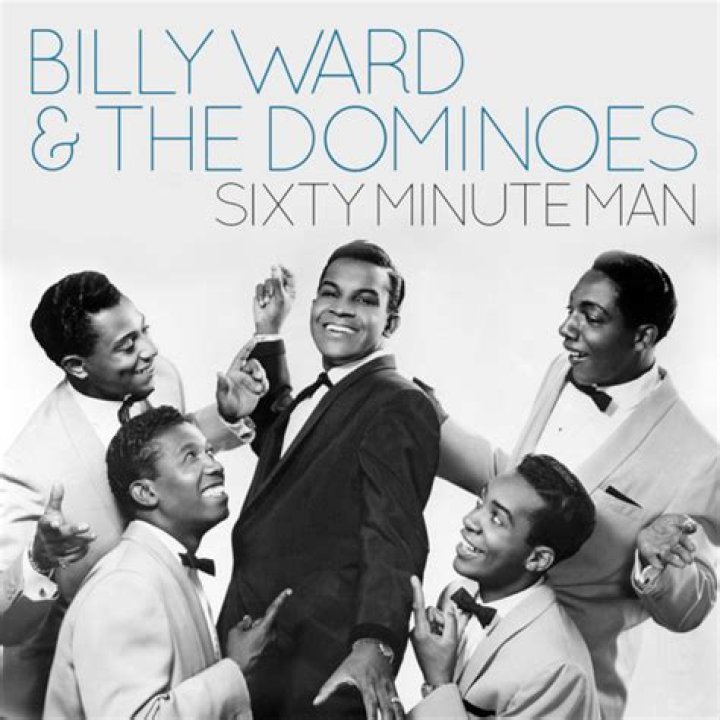
In the realm of rhythm and blues, few songs have left as big of an impact as “Sixty Minute Man” by Billy Ward & the Dominoes. Released in 1951, this groundbreaking track not only became a chart-topper but also sparked controversy with its explicit lyrics that explored themes of sexual prowess and desire. Let’s dive deeper into the meaning behind this iconic song and uncover the history and significance it holds in music.
Table of Contents
Exploring the Lyrics and Message
At first listen, “Sixty Minute Man” may sound like your typical love song, but beneath its catchy melody lies a more provocative and daring message. The lyrics boldly express the sexual prowess of the narrator, boasting about their ability to satisfy their partner for a full hour. This explicit and risqué subject matter was highly controversial for its time, as it challenged societal norms and pushed the boundaries of acceptable content in popular music.
While some may argue that the song objectifies women and promotes a narrow view of relationships, it is crucial to understand the historical context in which it was released. The 1950s were marked by societal shifts and the emergence of a new cultural landscape. “Sixty Minute Man” served as a rebellious and daring anthem that pushed against the traditional values and conservatism prevalent at the time.
Impact and Legacy
Beyond its lyrical content, “Sixty Minute Man” had a lasting impact on the music industry. The song became a smash hit on the R&B charts, reaching the number one spot and selling over a million copies. Its success paved the way for future songs that challenged societal norms and addressed taboo topics, influencing generations of artists to come.
Moreover, “Sixty Minute Man” played a significant role in shaping the sound of rhythm and blues. With its infectious melody and blend of gospel-inspired vocals and harmonies, the song was a precursor to what would later be known as doo-wop music. Its influence can be heard in the work of many artists who were inspired by the harmonizing and vocal performances showcased by Billy Ward & the Dominoes.
Frequently Asked Questions about “Sixty Minute Man”
1. What is the story behind the creation of “Sixty Minute Man”?
The song was written by Billy Ward, the leader of the vocal group the Dominoes, and his friend Rose Marks. They wanted to create a piece that would stand out and make an impact on the R&B scene, which led them to explore the risqué theme of sexual prowess.
2. How did the public react to the explicit lyrics of the song?
The song sparked both fascination and controversy among listeners. While some embraced its boldness, others criticized it for being too explicit. However, this controversy only helped increase its popularity and propel it to the top of the charts.
3. Was “Sixty Minute Man” a part of the sexual revolution of the 1960s?
While the song may have had elements that foreshadowed the sexual revolution, it is important to note that it was released nearly a decade before the social changes of the 1960s. Nevertheless, it did challenge the sexual taboos of its time and contributed to the gradual shift in societal attitudes towards sexuality.
4. How did “Sixty Minute Man” influence future artists?
The song’s fusion of gospel-inspired harmonies and vocal performances became a hallmark of the doo-wop genre. Many artists and vocal groups, including the likes of The Drifters and The Temptations, drew inspiration from Billy Ward & the Dominoes’ unique sound and incorporated it into their own music.
5. Why is “Sixty Minute Man” considered a classic in rhythm and blues?
The song’s catchy melody, powerful vocal performances, and controversial subject matter make it a standout track in the realm of rhythm and blues. Its chart-topping success and lasting influence solidify its status as a classic that has stood the test of time.
6. Was there any backlash against the song due to its lyrics?
Yes, there was backlash from more conservative circles who believed the song was too explicit and inappropriate for public consumption. However, the controversy only served to generate further interest and increase its popularity.
7. Did the song receive airplay on mainstream radio stations?
Despite its risqué lyrics, “Sixty Minute Man” managed to receive airplay on some mainstream radio stations. However, many others banned it from their playlists due to its explicit content.
8. What impact did “Sixty Minute Man” have on popular culture?
The song’s success and controversial nature made it a talking point among both music enthusiasts and society at large. It pushed the boundaries of what was considered acceptable in popular music and paved the way for future artists to address taboo subjects in their own work.
9. How did Billy Ward & the Dominoes contribute to the evolution of rhythm and blues?
With their unique vocal performances and harmonies, Billy Ward & the Dominoes expanded the possibilities of rhythm and blues and helped shape the doo-wop sound that would later influence numerous artists in the genre.
10. What makes “Sixty Minute Man” a standout track in the history of rhythm and blues?
The combination of its infectious melody, powerful vocals, and bold lyrics sets “Sixty Minute Man” apart from other songs in the genre. It embraced controversy while showcasing the talent and innovation of Billy Ward & the Dominoes.
11. Have there been any notable covers or reinterpretations of “Sixty Minute Man”?
Over the years, various artists have covered “Sixty Minute Man,” paying tribute to its importance and unforgettable sound. Notable versions include recordings by The Trammps and Rufus Thomas, showcasing how the song continues to resonate with musicians across different generations.
12. Has “Sixty Minute Man” been recognized with any awards or accolades?
While the song did not receive any major awards, its lasting impact and cultural significance have cemented its status as a timeless classic within the rhythm and blues genre. Its success speaks volumes about its enduring popularity among music lovers worldwide.